

The world of digital finance, where security and privacy are the primary questions, crypto currencies have become a top alternative to traditional types of money. One of them is Monero. Monero stands out for its focus on privacy and anonymity. At the heart of using Monero lies the Monero wallet. It's a critical instrument that allows safe transactions as well as protects users' identity. In this article we'll take a deeper dive into the realm of Monero wallets to discover their importance, benefits, and types.
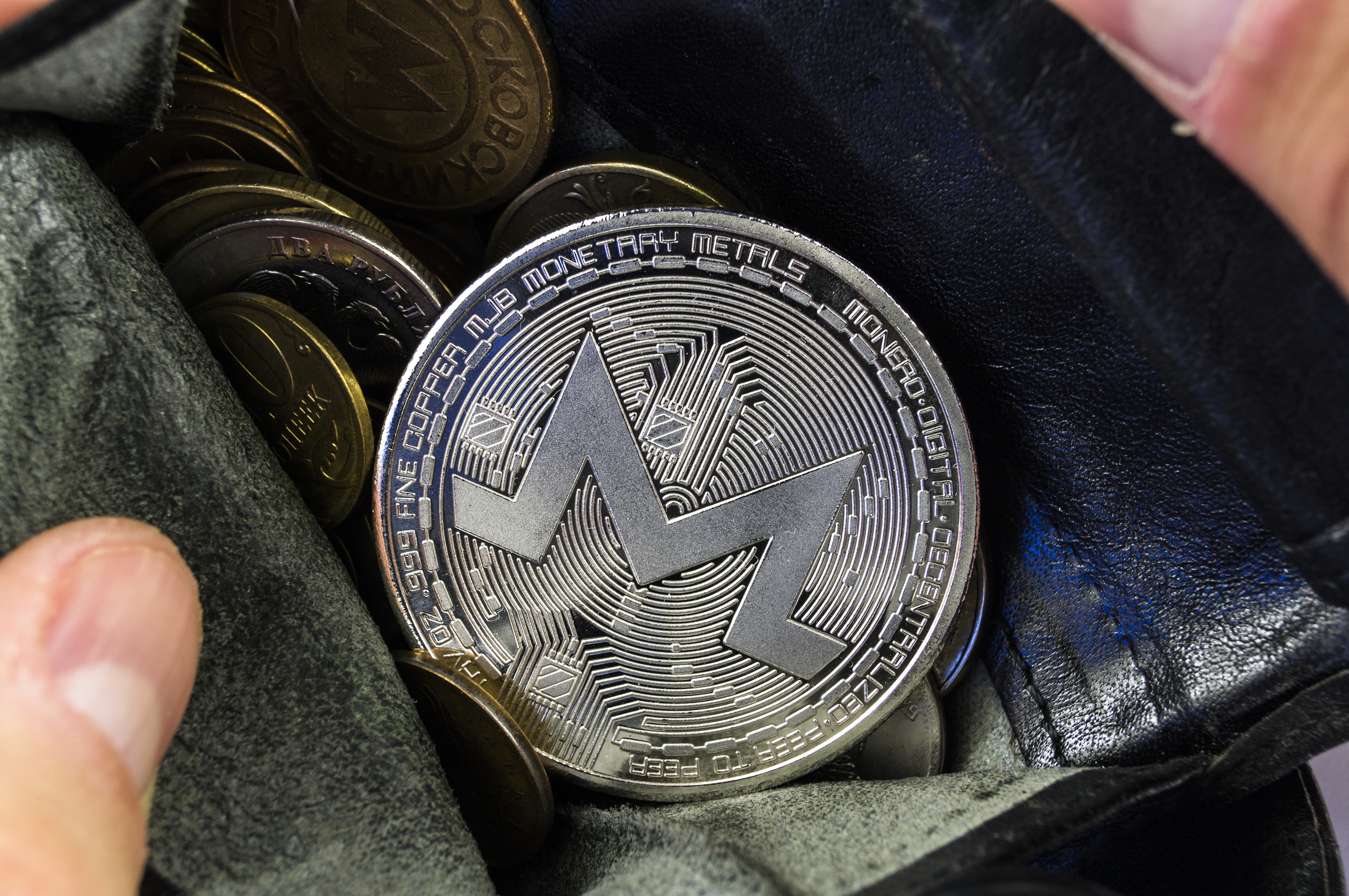
Monero, often referred to by its name as the "privacy coin," addresses the shortcomings in privacy that exist with traditional crypto currencies like Bitcoin with the help of sophisticated methods of cryptography. A Monero wallet is a digital container that holds your private keys, allowing you to access and manage your XMR possessions. They play an essential role in the Monero network by facilitating transactions in a private manner, shielding identities of those who transact while ensuring financial information remains confidential. The importance of Monero wallets is not just in their ability to store and manage cryptocurrency, but in their role as gatekeepers of anonymity.
Monero wallets are available in a variety of forms, catering to different preference and security requirements. They are broadly classified in three categories: software wallets, hardware wallets, and paper. The software wallets, which include monerogui and the Monero GUI and CLI wallets are programs that operate from your mobile or computer device. They offer a friendly interface to manage your Monero accounts. Hardware wallets, like Trezor Model T and the Ledger Nano S and Trezor Model T, are physical devices which store your private keys offline in order to reduce the threat of online hacking. Paper wallets are created by putting your keys on unto a piece of paper which means your keys will never connect to the internet.
One of the best features for the Monero wallet is that it's committed to providing a user-friendly and user-friendly experience. The Monero official GUI wallet, in particular offers a simple interface that guides users through the process of setting up and managing their wallets without necessitating an in-depth understanding of cryptography. Despite the intricate privacy-enhancing technology that underpin Monero this wallet, it abstracts much of this complexity, allowing both novices and experts to navigate through the maze of privacy-sensitive transactions. To acquire new details please head to www.xmrwallet.com/
Monero wallets are able to provide the convenience of creating multiple addresses, allowing users to compartmentalize their transactions. This feature enhances privacy because it is difficult for people to trace multiple transactions to a single user. Each new transaction generates a unique address, making it difficult for any person to identify patterns or relationships within a user's transaction history. This degree of address confusion makes Monero a popular choice as a privacy coin.
While the privacy features of Monero have a lot to offer however, they do pose some difficulties for users encounter and acceptance. The intricate cryptographic process which ensure anonymity may result in some slight delay in transaction time compared to other cryptocurrencies. Also, the complex privacy mechanisms may pose difficulties novices to fully comprehend.